Begin with the position, not the machine
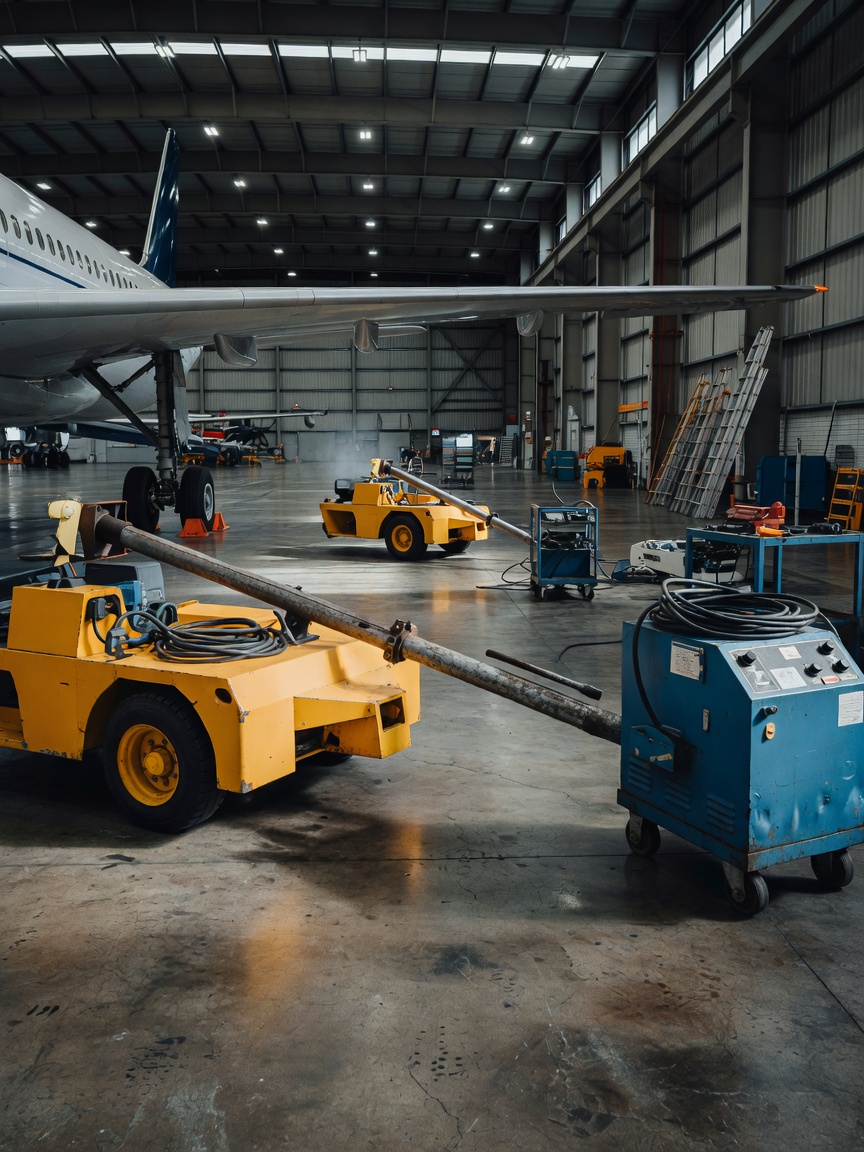
Hangar space is finite, and an aircraft position is never just a set of coordinates. It determines where technicians can work, which access equipment can approach, how nearby aircraft remain protected and whether a clear route survives for the next task. Positioning plans should therefore start with the work purpose and the constraints of the live floor. A robotic tug or guided movement system may make travel more consistent, but consistency is not the same as permission, suitability or safety.
Before a proposed move, identify the aircraft state, intended work, origin and destination, required clearances, route, neighboring activity and the people responsible for authorizing and supervising movement. Consider wingspan, tail clearance, door geometry, floor conditions, turning radius and the location of stands, cables, hoses and loose equipment. The plan must reflect the aircraft and hangar configuration actually present—not an old drawing that happens to look tidy.
Define a route that can change safely
A route should be treated as a controlled work zone. Map expected travel and turning areas, but also identify pinch points and places where visibility is limited. A route that looks open from a control station may be blocked by a mobile stand or a delivery that arrived after planning. Where sensors, markers or localization aids are used, teams need to understand what they detect, what they cannot detect, and what environmental conditions can affect their performance.
Establish a clear stop rule. If a person enters the controlled area, the aircraft shifts unexpectedly, a route becomes obstructed or communications fail, the move should pause according to the approved operating procedure. A safe system does not rely on a single sensor or on the assumption that everyone heard a call. Use agreed signals and a designated movement lead, and make sure people know how to request a stop without ambiguity.
Separate assistance from authority
Automation can provide motive assistance, repeatable motion, position feedback or a record of the movement sequence. It does not independently decide that a maintenance task is complete, that an aircraft is fit to move, or that a destination is available. Those decisions remain within the organization’s authority structure and applicable procedures. Human supervision must be meaningful: the supervisor needs a usable view of the operation, enough information to recognize a changing condition and practical means to stop or escalate.
Teams should examine mode selection, manual recovery, emergency stops, loss of power, communication interruptions and recovery from an interrupted move. A well-designed process explains how to secure the aircraft and equipment if a fault occurs, who takes control, and how movement can resume only after the situation has been reassessed. Training should cover routine and abnormal cases, not just a successful demonstration on an empty floor.
Make the destination workable
Positioning success is measured by the work that can be performed afterward. Confirm access to inspection points, maintenance stands, service connections and emergency routes. Keep planned equipment locations explicit so that tools do not gradually occupy the space reserved for a later movement. Include a final status check: is the aircraft secured as required, is the movement equipment clear, and has the receiving team accepted the position?
Useful records can capture the planned destination, movement authorization, route checks, deviations, interruptions and handover. Records should support traceability without pretending that a log alone proves a move was safe. Review near misses and recurring blockages with the people who work the floor; they often reveal differences between documented layouts and actual practice.
Compare options against operating reality
When evaluating robotic assistance, compare the proposed operating envelope with aircraft types, floor surfaces, door thresholds, lighting, congestion and work schedules. Ask how the system detects obstacles and people, how it communicates status, and what is required to validate changes to software, routes or equipment. Assess the full workflow, including staging, charging, maintenance and manual recovery, rather than judging only movement speed.
Standards and guidance provide useful framing, not a substitute for site-specific approval. Risk-management concepts in ISO 12100 and safety-related control-system principles in ISO 13849 may inform engineering discussions; aviation organizations should also consider applicable EASA or FAA rules and their own approved maintenance and ground-handling procedures. Applicability depends on the system, jurisdiction and intended use, so confirm requirements with competent specialists.
Ultimately, responsible positioning is a coordinated act: a known purpose, a verified route, a controlled movement, and an accepted handoff. The robot can help repeat the motion. The people and procedures around it make the move fit the hangar.